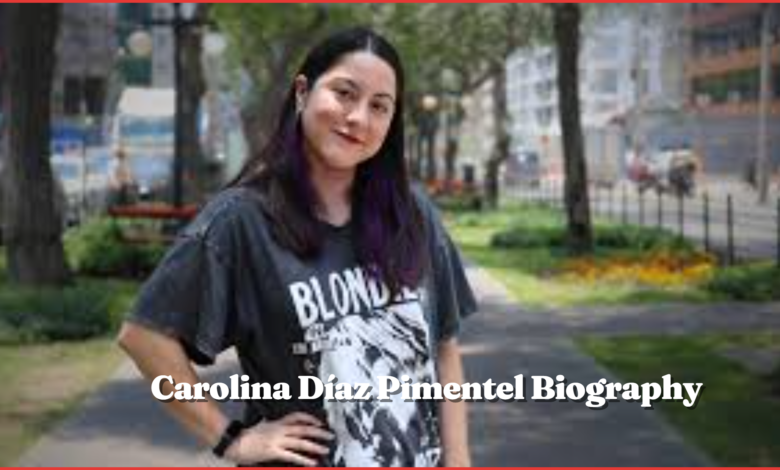
Carolina Díaz Pimentel Biography
Carolina Díaz Pimentel is a Peruvian journalist and prominent mental health activist known for her advocacy on neurodivergence, autism, and bipolar disorder. Born in Peru, she has become a leading voice in reducing stigma around mental health conditions through personal storytelling, community building, and policy engagement. Her work emphasizes lived experience as a valuable form of expertise, challenging traditional views that prioritize only clinical credentials.
Through initiatives like her blog Más que Bipolar and co-founding the Peruvian Neurodivergent Coalition, Carolina has created spaces for support, education, and visibility, particularly for women and adults who are often overlooked in autism discussions. Her recognition in the BBC 100 Women list in 2023 highlights her growing influence in promoting neurodiversity and inclusive mental health practices globally.
Early Life and Background Carolina Díaz Pimentel
Carolina Díaz Pimentel was born on January 9, 1993, in Lima, Peru. She holds Peruvian nationality. Details about her early family life are relatively private, but her journey reflects common experiences of many neurodivergent individuals who navigate challenges without early identification or support. Growing up in Peru, she faced an environment where mental health and neurodivergence were heavily stigmatized, often misunderstood or dismissed.
Like many autistic women, Carolina received her autism diagnosis later in life, at age 29. She also lives with bipolar II disorder. These late diagnoses are typical due to gender biases in medical understanding, where autism is frequently associated primarily with boys and children, leaving many women undiagnosed until adulthood. Her early experiences involved feeling like an outsider, struggling to fit into social norms that did not accommodate her sensory or processing needs. This personal background fueled her commitment to advocacy, as she often describes the world as speaking a language without subtitles for neurodivergent people.
Education Carolina Díaz Pimentel
Carolina pursued higher education at the Universidad Peruana de Ciencias Aplicadas (UPC) in Peru, where she studied journalism. Her academic path equipped her with skills in communication and storytelling, which she later applied to mental health reporting. While formal education in specialized mental health journalism was limited, she supplemented her learning through self-directed research, reviewing scientific papers, best practices, and global resources on neurodivergence.
Her education was not just about acquiring a degree but building the foundation for empathetic, informed reporting. She has expressed interest in pursuing further studies, such as a master’s related to mental health journalism, to deepen her expertise. This commitment to continuous learning underscores her professional approach, blending journalistic rigor with personal insight.
Career Carolina Díaz Pimentel
Carolina Díaz Pimentel began her career as a journalist, initially working in general communications before focusing on mental health and neurodivergence. In 2017, she started sharing her experiences on social media through a personal account, which evolved into the project Más que Bipolar. This platform allowed her to discuss bipolar disorder openly, emphasizing that individuals are “much more than” their diagnosis.
Her work gained traction as she collaborated with outlets like Salud con Lupa, where she contributes columns and reports on mental health. She covers topics such as stigma, access to diagnosis, gender biases in autism, and the need for neurodiversity-affirming practices. As a columnist and reporter, she prioritizes first-person narratives alongside evidence-based information.
A key part of her career involves community organizing. She co-founded the Peruvian Neurodivergent Coalition (CNP) around 2023 with other neurodivergent women. The coalition organizes “neurodivergent picnics” in Lima—informal gatherings where participants use tools like colored tapes to signal social energy levels (green for engaging, red for needing space), allowing people to attend without pressure to conform to typical social expectations. These events foster mutual support, reduce isolation, and challenge stigma in a low-pressure setting.
Carolina has also been involved in policy advocacy. She has contributed to discussions on proposed legislation in Peru’s Congress, pushing for better access to diagnosis, inclusive education, reasonable workplace accommodations, and rights for adults and women with autism. Her efforts highlight gaps, such as long wait times in public health systems, high costs of private diagnosis, and limited support for neurodivergent students and workers.
She is a Rosalynn Carter Fellow, recognizing her contributions to mental health journalism, and has received support from the Pulitzer Center for her reporting projects. These fellowships have amplified her ability to produce impactful stories on psychiatric medication side effects and broader neurodiversity issues.
In her career, Carolina stresses the value of “experts by experience”—people with lived experience who undergo specialized training to support others alongside professionals. This model promotes multidisciplinary teams that include neurodivergent voices in hospitals, schools, and policy-making.
Achievements Carolina Díaz Pimentel
Carolina’s achievements are rooted in both personal resilience and collective impact. One of her most notable honors is inclusion in the BBC 100 Women list in November 2023, recognizing her as one of the world’s most influential women for her advocacy. This placed her alongside global figures and spotlighted Peruvian efforts in mental health.
She founded Más que Bipolar, which has grown into a significant online resource for destigmatizing bipolar disorder and sharing practical insights. The Peruvian Neurodivergent Coalition has rapidly expanded, organizing events, WhatsApp support groups, free workshops, and awareness campaigns. These initiatives provide safe spaces and practical aid, such as fundraising for noise-canceling headphones for families in need.
Her journalism has contributed to public discourse, including work with the Pulitzer Center on projects like “Side Effects: The B-Side of Psychiatric Medicines.” She has influenced policy conversations, advocating for updates to laws on education, labor inclusion, and against discriminatory institutionalization practices.
Additional projects include the upcoming Proyecto Atípico (Atypical Project), aimed at knowledge transfer and training organizations on neurodiversity-affirming practices for workplaces and education. Her efforts extend to international networks, strengthening movements for psychosocial disability rights.
These accomplishments demonstrate her role in shifting narratives from pathology to acceptance and empowerment, particularly for underrepresented groups like autistic women and adults.
Personal Life Carolina Díaz Pimentel
Carolina is open about her neurodivergence but keeps many personal details private to focus on her advocacy. She lives with autism and bipolar II disorder, which inform her work but do not define her entirely. She has mentioned family and a supportive partner as sources of strength, along with pets like cats.
Her personal experiences with late diagnosis, sensory sensitivities, and societal misunderstandings drive her empathy for others facing similar challenges. She advocates for self-acceptance and community over forced normalization. In interviews, she describes the relief of diagnosis as gaining “subtitles” for the world around her.
Balancing activism, journalism, and personal well-being is an ongoing journey, one she approaches with humor, determination, and a commitment to collective progress rather than individual spotlight.
Other Important Aspects Carolina Díaz Pimentel
Carolina emphasizes intersectionality in her work, addressing how gender, socioeconomic status, and cultural context affect neurodivergent experiences in Peru and Latin America. She critiques therapies that aim to “cure” or eliminate autistic traits, favoring supports that respect neurodiversity.
Her activism includes opposing bills that could promote institutionalization and pushing for community-based support systems. Through workshops and campaigns, she educates on inclusive education, workplace adjustments (like remote options or sensory-friendly environments), and the importance of listening to neurodivergent adults.
Conclusion
Carolina Díaz Pimentel exemplifies how personal experience, combined with professional skills and community focus, can drive meaningful change. From her roots in Lima to international recognition, she has illuminated the realities of neurodivergence and mental health in Peru, fostering greater understanding, policy improvements, and supportive networks. Her legacy lies in empowering others to embrace their identities and advocate for a more inclusive society. As awareness grows, her contributions continue to inspire a shift toward acceptance and equity for neurodivergent individuals worldwide.
FAQs
Who is Carolina Díaz Pimentel?
Carolina Díaz Pimentel is a Peruvian journalist, mental health activist, and neurodiversity advocate. She is known for her work on autism, bipolar disorder, and reducing stigma through journalism and community initiatives.
What is Carolina Díaz Pimentel known for?
She is recognized for founding Más que Bipolar, co-founding the Peruvian Neurodivergent Coalition, and her inclusion in the BBC 100 Women list. Her advocacy focuses on first-person experiences and policy reform for neurodivergent rights.
When was Carolina Díaz Pimentel diagnosed with autism?
She was diagnosed with autism at the age of 29. She also has bipolar II disorder.
What organizations did Carolina Díaz Pimentel found?
She founded the blog and project Más que Bipolar and co-founded the Peruvian Neurodivergent Coalition (CNP) and the Atypical Project.
What awards has Carolina Díaz Pimentel received?
She was named to the BBC 100 Women list in 2023. She is also a Rosalynn Carter Fellow and a Pulitzer Center recipient.
Where was Carolina Díaz Pimentel born?
She was born in Lima, Peru, on January 9, 1993.